Angles-sur-l'Anglin

Guida di viaggio
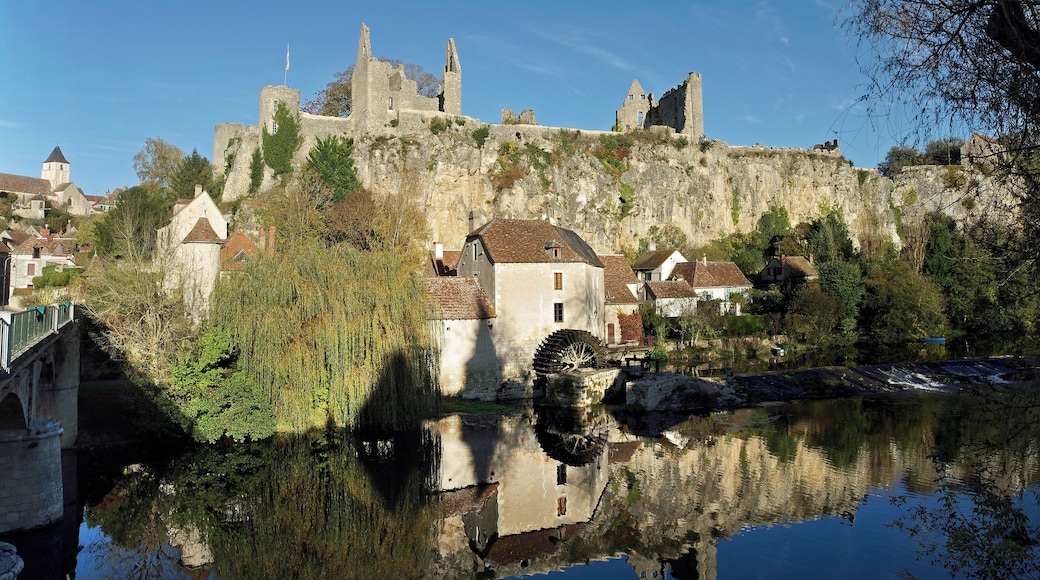
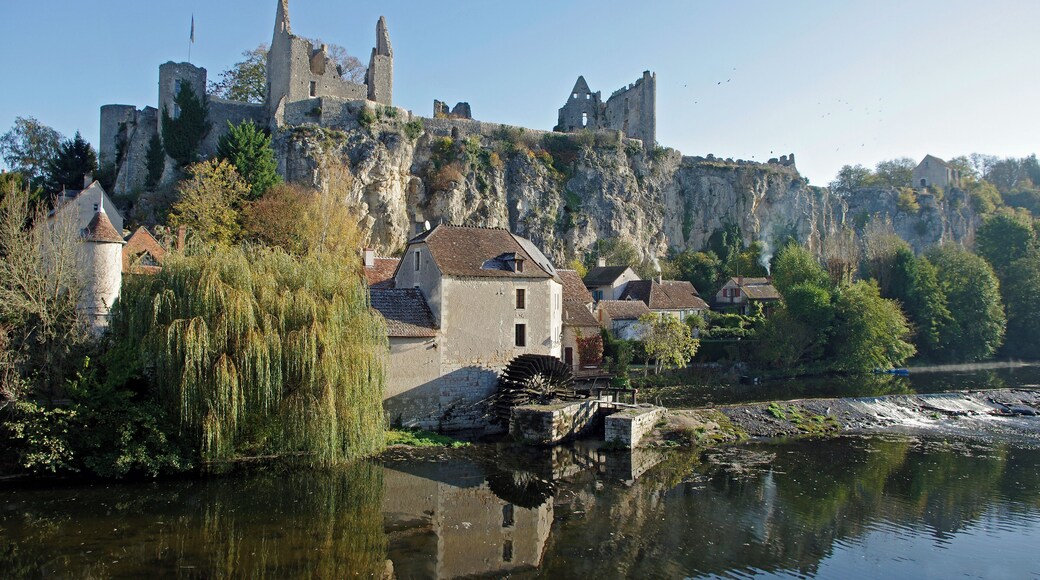
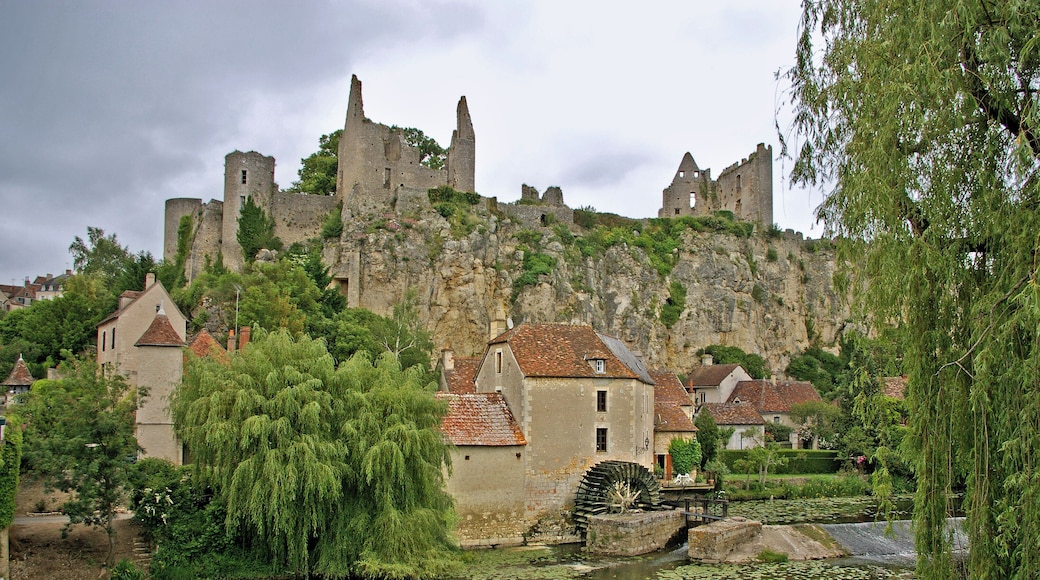
Angles-sur-l'Anglin (Vienne). Le moulin situé au pied de la forteresse était en fait le moulin de l’abbaye réservé à l’usage des moines et des habitants de Sainte-Croix. A la Révolution, il fut vendu aux enchères comme bien du Clergé. Il eut plusieurs propriétaires et plusieurs fonctions : scierie, meule à grain… Il cessa toute activité vers 1968. Le château a été construit vers 1025 par Gilbert, évêque de Poitiers. Au début du XIIème siècle, il est la possession de la famille des Lusignan Au XIIIème, les Lusignan revendent le château à Gauthier de Bruges, évêque de Poitiers. Guichard d’Angle, né au château, participe à la bataille de Maupertuis en 1356. Par le traité de Brétigny, en 1360, il cède la forteresse aux Anglais. Elle est reprise par Du Guesclin en 1372. Au début du XVème, deux évêques remanient la forteresse. Hugues de Combarel fait édifier un logis d’habitation qui évoque déjà la Renaissance. Guillaume Gouges de Charpaigne poursuit son œuvre. A la fin du XVème siècle, Pierre d’Amboise fait construire la résidence épiscopale de Dissay qui est préférée à la châtellenie d’Angles. Pendant les guerres de religion, les protestants, avec Coligny, pillent le château et l'abbaye Sainte-Croix avant d’être battus à Moncontour. 50 ans plus tard, les partisans de la Fronde prennent la forteresse qui est reconquise en 1652 par le duc de Roannez, gouverneur du Poitou. En 1708, le parlement de Paris exempte les évêques de Poitiers de leur devoir d’entretien. En 1792, la forteresse, en ruine, est confisquée et la commune décide de l’utiliser comme carrière de pierres. Au XIXème siècle, elle est transformée en parcelles cultivables. En 1882, le château est acheté par le baron de Puynode, propriétaire du château des Certeaux. Sa veuve revend le château à la société des Antiquaires de l’ouest en 1921 qui le fait classer monument historique en 1926 avec l’Eglise Saint-Martin et les restes de l’abbaye Sainte-Croix. La commune rachète la forteresse pour le franc symbolique en 1986. Angles sur l'Anglin (Vienne). The mill at the foot of the fortress was in fact the mill of the abbey for the exclusive use of the monks and people of St. Croix. During the Revolution, it was sold at auction like many of the clergy. He had several owners and several functions: mill, grinding grain ... It ceased activity around 1968. The castle was built in 1025 by Gilbert, Bishop of Poitiers. In the early twelfth century, it is the possession of the family of Lusignan The thirteenth, the Lusignan sell the castle of Bruges Gauthier, Bishop of Poitiers. Guichard d'Angle, born in the castle, takes part in the battle of Maupertuis in 1356. By the treaty of Bretigny, in 1360, he sold the castle to the English. It is taken by Du Guesclin in 1372. At the beginning of the fifteenth, two bishops rework the fortress. Hugues de Combarel had built a dwelling house which already evokes the Renaissance. William Gouges Charpaigne of continuing his work.
 At the end of the fifteenth century, Pierre d'Amboise built the episcopal residence in Diss which is preferred to the manor of Angles. During the wars of religion, the Protestants, with Coligny, pillage the castle and the abbey Holy Cross before being beaten to Moncontour. 50 years later, supporters of the Fronde take the fortress that was conquered in 1652 by the Duke of Roannez, governor of Poitou. In 1708, the parliament of Paris free the bishops of Poitiers their duty to maintain. In 1792, the fortress in ruins, was confiscated and the municipality decides to use it as a stone quarry. In the nineteenth century, it is transformed into arable plots. In 1882, the castle was bought by Baron Puynode, owner of the castle of Certeau. His widow sold the castle to the Society of Antiquaries of the West in 1921 that makes it a historical monument in 1926 with the St. Martin's Church and the remains of the abbey of Sainte-Croix. The town bought the castle for one symbolic franc in 1986.
Angles-sur-l'Anglin (Vienne). Le moulin situé au pied de la forteresse était en fait le moulin de l’abbaye réservé à l’usage des moines et des habitants de Sainte-Croix. A la Révolution, il fut vendu aux enchères comme bien du Clergé. Il eut plusieurs propriétaires et plusieurs fonctions : scierie, meule à grain… Il cessa toute activité vers 1968. Le château a été construit vers 1025 par Gilbert, évêque de Poitiers. Au début du XIIème siècle, il est la possession de la famille des Lusignan Au XIIIème, les Lusignan revendent le château à Gauthier de Bruges, évêque de Poitiers. Guichard d’Angle, né au château, participe à la bataille de Maupertuis en 1356. Par le traité de Brétigny, en 1360, il cède la forteresse aux Anglais. Elle est reprise par Du Guesclin en 1372. Au début du XVème, deux évêques remanient la forteresse. Hugues de Combarel fait édifier un logis d’habitation qui évoque déjà la Renaissance. Guillaume Gouges de Charpaigne poursuit son œuvre. A la fin du XVème siècle, Pierre d’Amboise fait construire la résidence épiscopale de Dissay qui est préférée à la châtellenie d’Angles. Pendant les guerres de religion, les protestants, avec Coligny, pillent le château et l'abbaye Sainte-Croix avant d’être battus à Moncontour. 50 ans plus tard, les partisans de la Fronde prennent la forteresse qui est reconquise en 1652 par le duc de Roannez, gouverneur du Poitou. En 1708, le parlement de Paris exempte les évêques de Poitiers de leur devoir d’entretien. En 1792, la forteresse, en ruine, est confisquée et la commune décide de l’utiliser comme carrière de pierres. Au XIXème siècle, elle est transformée en parcelles cultivables. En 1882, le château est acheté par le baron de Puynode, propriétaire du château des Certeaux. Sa veuve revend le château à la société des Antiquaires de l’ouest en 1921 qui le fait classer monument historique en 1926 avec l’Eglise Saint-Martin et les restes de l’abbaye Sainte-Croix. La commune rachète la forteresse pour le franc symbolique en 1986. Angles sur l'Anglin (Vienne). The mill at the foot of the fortress was in fact the mill of the abbey for the exclusive use of the monks and people of St. Croix. During the Revolution, it was sold at auction like many of the clergy. He had several owners and several functions: mill, grinding grain ... It ceased activity around 1968. The castle was built in 1025 by Gilbert, Bishop of Poitiers. In the early twelfth century, it is the possession of the family of Lusignan The thirteenth, the Lusignan sell the castle of Bruges Gauthier, Bishop of Poitiers. Guichard d'Angle, born in the castle, takes part in the battle of Maupertuis in 1356. By the treaty of Bretigny, in 1360, he sold the castle to the English. It is taken by Du Guesclin in 1372. At the beginning of the fifteenth, two bishops rework the fortress. Hugues de Combarel had built a dwelling house which already evokes the Renaissance. William Gouges Charpaigne of continuing his work.
 At the end of the fifteenth century, Pierre d'Amboise built the episcopal residence in Diss which is preferred to the manor of Angles. During the wars of religion, the Protestants, with Coligny, pillage the castle and the abbey Holy Cross before being beaten to Moncontour. 50 years later, supporters of the Fronde take the fortress that was conquered in 1652 by the Duke of Roannez, governor of Poitou. In 1708, the parliament of Paris free the bishops of Poitiers their duty to maintain. In 1792, the fortress in ruins, was confiscated and the municipality decides to use it as a stone quarry. In the nineteenth century, it is transformed into arable plots. In 1882, the castle was bought by Baron Puynode, owner of the castle of Certeau. His widow sold the castle to the Society of Antiquaries of the West in 1921 that makes it a historical monument in 1926 with the St. Martin's Church and the remains of the abbey of Sainte-Croix. The town bought the castle for one symbolic franc in 1986.
Angles-sur-l'Anglin (Vienne). La vallée de l'Anglin avec la ville basse, vue depuis le château médiéval.
Angles-sur-l'Anglin (Vienne) Loge. les cabanes de pierres, en "pain de sucre", sont encore nombreuses autour d'Angles-sur-l'Anglin. Cette loge a vraisemblablement été restaurée. Ces loges se trouvaient au milieu des vignes, vignes qui peuvent avoir disparu aujourd'hui. Il est difficile de dater l'origine de ces loges, certaines pourraient remonter au néolithique, mais le développement de ces loges suit l'expansion de la culture de la vigne à partir du XVIIe siècle. inventaire.poitou-charentes.fr/operations/vals-de-gartemp...
Angles-sur-l'Anglin (Vienne). Le moulin situé au pied de la forteresse était en fait le moulin de l’abbaye réservé à l’usage des moines et des habitants de Sainte-Croix. A la Révolution, il fut vendu aux enchères comme bien du Clergé. Il eut plusieurs propriétaires et plusieurs fonctions : scierie, meule à grain… Il cessa toute activité vers 1968. Le château a été construit vers 1025 par Gilbert, évêque de Poitiers. Au début du XIIème siècle, il est la possession de la famille des Lusignan Au XIIIème, les Lusignan revendent le château à Gauthier de Bruges, évêque de Poitiers. Guichard d’Angle, né au château, participe à la bataille de Maupertuis en 1356. Par le traité de Brétigny, en 1360, il cède la forteresse aux Anglais. Elle est reprise par Du Guesclin en 1372. Au début du XVème, deux évêques remanient la forteresse. Hugues de Combarel fait édifier un logis d’habitation qui évoque déjà la Renaissance. Guillaume Gouges de Charpaigne poursuit son œuvre. A la fin du XVème siècle, Pierre d’Amboise fait construire la résidence épiscopale de Dissay qui est préférée à la châtellenie d’Angles. Pendant les guerres de religion, les protestants, avec Coligny, pillent le château et l'abbaye Sainte-Croix avant d’être battus à Moncontour. 50 ans plus tard, les partisans de la Fronde prennent la forteresse qui est reconquise en 1652 par le duc de Roannez, gouverneur du Poitou. En 1708, le parlement de Paris exempte les évêques de Poitiers de leur devoir d’entretien. En 1792, la forteresse, en ruine, est confisquée et la commune décide de l’utiliser comme carrière de pierres. Au XIXème siècle, elle est transformée en parcelles cultivables. En 1882, le château est acheté par le baron de Puynode, propriétaire du château des Certeaux. Sa veuve revend le château à la société des Antiquaires de l’ouest en 1921 qui le fait classer monument historique en 1926 avec l’Eglise Saint-Martin et les restes de l’abbaye Sainte-Croix. La commune rachète la forteresse pour le franc symbolique en 1986. Angles sur l'Anglin (Vienne). The mill at the foot of the fortress was in fact the mill of the abbey for the exclusive use of the monks and people of St. Croix. During the Revolution, it was sold at auction like many of the clergy. He had several owners and several functions: mill, grinding grain ... It ceased activity around 1968. The castle was built in 1025 by Gilbert, Bishop of Poitiers. In the early twelfth century, it is the possession of the family of Lusignan The thirteenth, the Lusignan sell the castle of Bruges Gauthier, Bishop of Poitiers. Guichard d'Angle, born in the castle, takes part in the battle of Maupertuis in 1356. By the treaty of Bretigny, in 1360, he sold the castle to the English. It is taken by Du Guesclin in 1372. At the beginning of the fifteenth, two bishops rework the fortress. Hugues de Combarel had built a dwelling house which already evokes the Renaissance. William Gouges Charpaigne of continuing his work.
 At the end of the fifteenth century, Pierre d'Amboise built the episcopal residence in Diss which is preferred to the manor of Angles. During the wars of religion, the Protestants, with Coligny, pillage the castle and the abbey Holy Cross before being beaten to Moncontour. 50 years later, supporters of the Fronde take the fortress that was conquered in 1652 by the Duke of Roannez, governor of Poitou. In 1708, the parliament of Paris free the bishops of Poitiers their duty to maintain. In 1792, the fortress in ruins, was confiscated and the municipality decides to use it as a stone quarry. In the nineteenth century, it is transformed into arable plots. In 1882, the castle was bought by Baron Puynode, owner of the castle of Certeau. His widow sold the castle to the Society of Antiquaries of the West in 1921 that makes it a historical monument in 1926 with the St. Martin's Church and the remains of the abbey of Sainte-Croix. The town bought the castle for one symbolic franc in 1986.
ibis Chatellerault

ibis Chatellerault

3 out of 5
10 Avenue Camille Page Chatellerault Vienne
Il prezzo è 86 € a notte nel periodo 1 mar - 2 mar
86 €
1 mar - 2 mar
tasse e oneri inclusi
Alloggia in questo hotel per viaggi d'affari a Chatellerault. Potrai approfittare di utili servizi come il Wi-Fi gratuito, un parcheggio gratuito e la colazione ...
7,4/10 Good! (296 recensioni)
PESSIMO, SPORCO
Alla prenotazione NON siamo stati avvertiti che le camere durante il soggiorno non sarebbero state pulite/igenizzate (direttive covid) per cui per 6 notti non sono Mai state pulite ne le camere ne i bagni. Le posate per la colazione erano state avvolte nel cellophane a mano.

Recensione del 4 lug 2020

ibis Chatellerault
greet Hotel Chatellerault

greet Hotel Chatellerault

31, Rue Nungesser et Coli Chatellerault Vienne
Il prezzo è 83 € a notte nel periodo 1 mar - 2 mar
83 €
1 mar - 2 mar
tasse e oneri inclusi
Soggiorna in questo hotel a Chatellerault. Potrai approfittare di utili servizi come il Wi-Fi gratuito, un parcheggio gratuito e la colazione (a pagamento). ...
9/10 Wonderful! (24 recensioni)
Chambre vraiment cosy et très agréable. Petit déjeuner complet. Personnel vraiment accueillant et sympathique

Recensione del 9 ott 2025

greet Hotel Chatellerault
Terres de France - Appart'Hotel La Roche-Posay

Terres de France - Appart'Hotel La Roche-Posay

3 out of 5
53 avenue des Fontaines La Roche-Posay Vienne
Alloggia in questo aparthotel per golfisti a La Roche-Posay. Potrai approfittare di utili servizi come un parcheggio gratuito, una piscina all'aperto e un servizio ...
8,4/10 Very Good! (168 recensioni)
Bon séjour en famille

Recensione del 27 ott 2025

Terres de France - Appart'Hotel La Roche-Posay
Prezzo per notte più basso trovato nelle ultime 24 ore, per un soggiorno di 1 notte per 2 adulti. Tariffe e disponibilità sono soggette a modifica. Si applicano condizioni aggiuntive.
Residence Croma

Residence Croma

3 out of 5
16 rue du paradis La Roche-Posay
Alloggia in questo residence per famiglie a La Roche-Posay. Potrai approfittare di utili servizi come il Wi-Fi gratuito, un parcheggio gratuito e una piscina ...
8,2/10 Very Good! (47 recensioni)
Chambre propre Personnel gentil Literie moyennement confortable

Recensione del 8 dic 2025

Residence Croma
Terres de France - Appart'Hotel La Roche-Posay

Terres de France - Appart'Hotel La Roche-Posay

3 out of 5
53 avenue des Fontaines La Roche-Posay Vienne
Alloggia in questo aparthotel per golfisti a La Roche-Posay. Potrai approfittare di utili servizi come un parcheggio gratuito, una piscina all'aperto e un servizio ...
8,4/10 Very Good! (168 recensioni)
Bon séjour en famille

Recensione del 27 ott 2025

Terres de France - Appart'Hotel La Roche-Posay
Private room at Domaine de Puygiraud sur L'Anglin for 4 guests

Private room at Domaine de Puygiraud sur L'Anglin for 4 guests

Saint-Pierre-de-Maillé Vienne
Soggiorna in questa casa vacanza a Saint-Pierre-de-Maillé. La struttura offre comodi servizi come un servizio lavanderia e kit per la preparazione di tè/caffè ...
Private room at Domaine de Puygiraud sur L'Anglin for 4 guests
Prezzo per notte più basso trovato nelle ultime 24 ore, per un soggiorno di 1 notte per 2 adulti. Tariffe e disponibilità sono soggette a modifica. Si applicano condizioni aggiuntive.