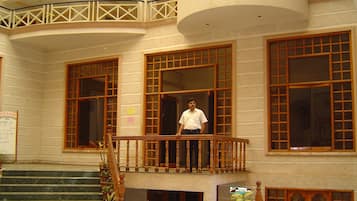
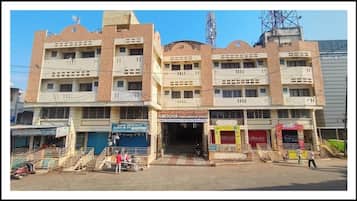
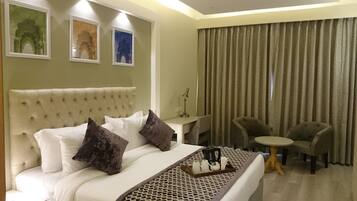
Foto di Jit Bose
Hotel a Chitradurga
- Non preoccuparti se cambi ideaScegli un hotel con cancellazione gratuita.
- Concediti un viaggio specialeAccedi al tuo account e risparmia il 10% o più su migliaia di hotel.
- Trova l’alloggio che fa per teCerca fra un milione di strutture in tutto il mondo.
Controlla i prezzi per queste date
Questa sera
Domani
Questo fine settimana
Il prossimo fine settimana
I nostri consigli sugli hotel in questa destinazione: Chitradurga

5.0 su 10, (6)
Il prezzo attuale è 21 €
tasse e oneri inclusi
7 gen - 8 gen
Il prezzo attuale è 13 €
tasse e oneri inclusi
7 gen - 8 gen
Il prezzo attuale è 13 €
tasse e oneri inclusi
7 gen - 8 gen
Il prezzo attuale è 35 €
tasse e oneri inclusi
9 gen - 10 gen
Il prezzo attuale è 31 €
tasse e oneri inclusi
8 gen - 9 gen
Prezzo a notte più basso trovato nelle ultime 24 ore, per un soggiorno di 1 notte per 2 adulti. Prezzi e disponibilità possono cambiare. Potrebbero essere previste condizioni aggiuntive.
Accedi al tuo account e risparmia in media un 15% su migliaia di hotel
Soggiorna vicino alle attrazioni popolari di Chitradurga
Maggiori informazioni su Chitradurga
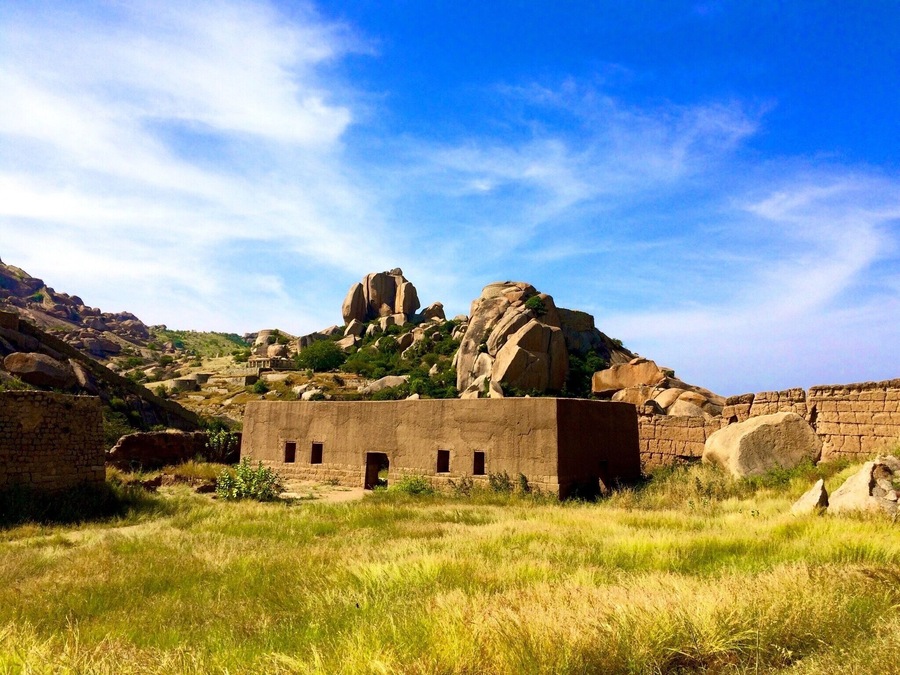
Arroccata su una collina rocciosa, l'antica fortezza di Chitradurga ti stupisce con le sue sette cinte murarie e i templi scolpiti nella pietra. Puoi esplorare il Forte di Chitradurga con le sue cisterne d'acqua, visitare il tempio di Hidimbeshwara e ammirare le sculture del Tempio Sampige Siddheshwara.
![Chitradurga Fort or as the British called it Chitaldoorg, is a fortification that straddles several hills and a peak overlooking a flat valley in the Chitradurga District, Karnataka, India. The fort's name Chitrakaldurga, which means 'picturesque fort' in Kannada, is the namesake of the town Chitradurga and its administrative district.[1][2][3]
The fort was built in stages between the 17th and 18th centuries by the dynastic rulers of the region, including the Rashtrakutas, Chalukyas and Hoysalas as well as the Nayakas of Chitradurga, feudal lords in the Vijayanagar Empire. The Nayakas of Chitradurga, or Palegar Nayakas, were most responsible for the expansion of the fort between the 15th and 18th centuries. They were defeated by Hyder Ali at Chitradurga in 1779. Later the fort was expanded and strengthened by Hyder Ali and his son Tippu Sultan,who succeeded Madakari Nayaka V, the last ruler of the Nayaka clan. The fort is built in a series of seven concentric fortification walls with various passages, a citadel, masjid, warehouses for grains and oil, water reservoirs and ancient temples. There are 18 temples in the upper fort and one huge temple in the lower fort. Among these temples the oldest and most interesting is the Hidimbeshwara temple. The masjid was an addition during Hyder Ali’s rule.[1][2][3] The fort's many interconnecting tanks were used to harvest rainwater, and the fort was said to never suffer from a water shortage.](https://images.trvl-media.com/place/6258978/ce8102d8-3a49-4fea-b521-ae9a7e5b3446.jpg?impolicy=fcrop&w=400&h=400&p=1&q=high)
Foto di Jit Bose
Foto gratuita di Jit Bose
Migliori recensioni hotel nei pressi di Chitradurga
Alloggi economici a Chitradurga

Kalpavana Resort
B.V.Nagara, Madhure, Dasarahalli Hosdurga Karnataka
Il prezzo è 9 € a notte nel periodo 7 gen - 8 gen
9 €
7 gen - 8 gen
tasse e oneri inclusi
![Chitradurga Fort or as the British called it Chitaldoorg, is a fortification that straddles several hills and a peak overlooking a flat valley in the Chitradurga District, Karnataka, India. The fort's name Chitrakaldurga, which means 'picturesque fort' in Kannada, is the namesake of the town Chitradurga and its administrative district.[1][2][3]
The fort was built in stages between the 17th and 18th centuries by the dynastic rulers of the region, including the Rashtrakutas, Chalukyas and Hoysalas as well as the Nayakas of Chitradurga, feudal lords in the Vijayanagar Empire. The Nayakas of Chitradurga, or Palegar Nayakas, were most responsible for the expansion of the fort between the 15th and 18th centuries. They were defeated by Hyder Ali at Chitradurga in 1779. Later the fort was expanded and strengthened by Hyder Ali and his son Tippu Sultan,who succeeded Madakari Nayaka V, the last ruler of the Nayaka clan. The fort is built in a series of seven concentric fortification walls with various passages, a citadel, masjid, warehouses for grains and oil, water reservoirs and ancient temples. There are 18 temples in the upper fort and one huge temple in the lower fort. Among these temples the oldest and most interesting is the Hidimbeshwara temple. The masjid was an addition during Hyder Ali’s rule.[1][2][3] The fort's many interconnecting tanks were used to harvest rainwater, and the fort was said to never suffer from a water shortage.](https://images.trvl-media.com/place/6258978/ce8102d8-3a49-4fea-b521-ae9a7e5b3446.jpg?impolicy=fcrop&w=1200&h=500&q=medium)