

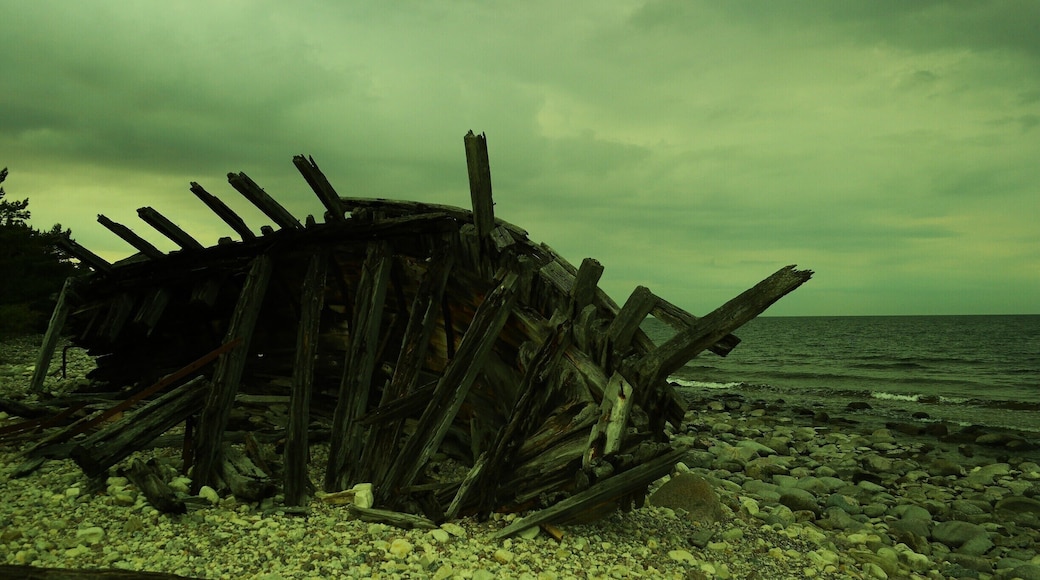
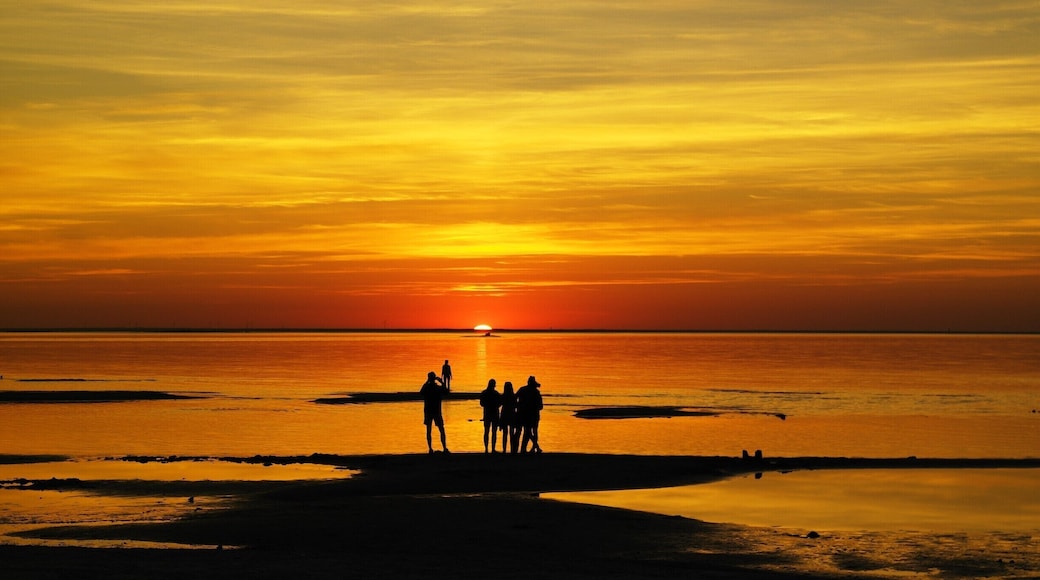
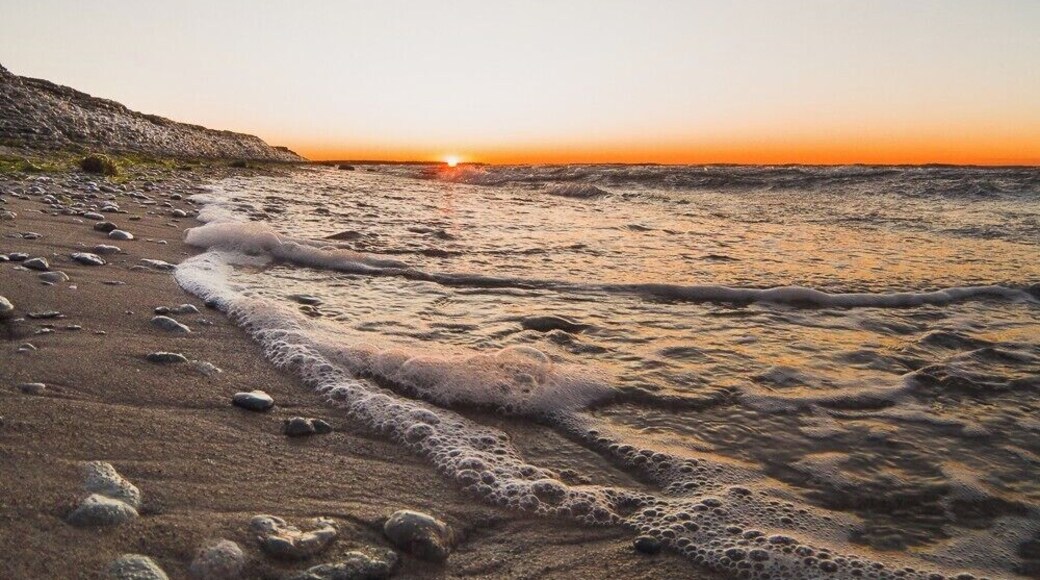
Trascorrete le vacanze a Öland e visitate la seconda isola per dimensioni della Svezia, che rappresenta anche la provincia più piccola del Paese. Vi aspetta un mondo pittoresco fatto di mulini a vento, castelli reali, spiagge di sabbia e lo Stora Alvaret, dichiarato Patrimonio dell'Umanità dall'UNESCO. Che siate interessati alla cultura, alla natura o alla storia, troverete tutte le attività e tutti i luoghi di interesse che cercate.
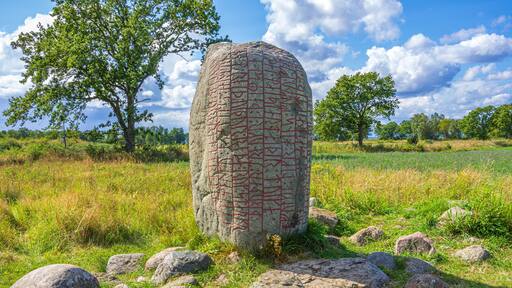
Ad esempio, gli antichi monumenti e castelli che narrano secoli di storia. La posizione dell'isola, al largo della costa svedese, ha spesso comportato vantaggi per i suoi abitanti, al centro delle tratte commerciali del Mar Baltico. D'altro canto, quelle stesse acque furono infestate dai pirati fino al XIII secolo, con tutti i problemi che ne conseguono.
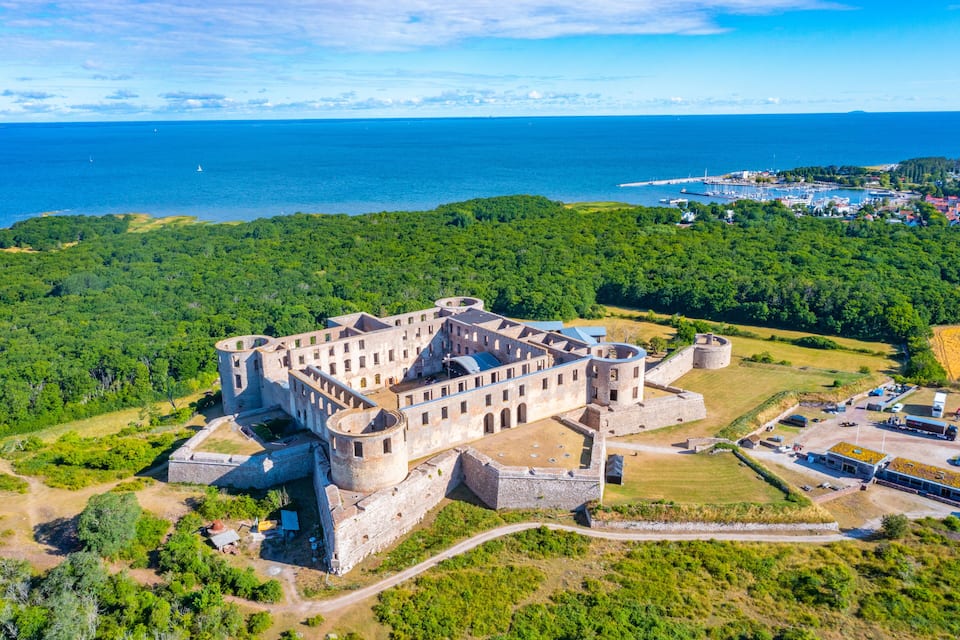
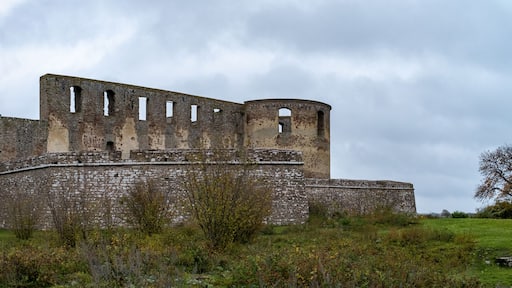
Iniziate il vostro viaggio a Öland all'estremità meridionale dell'isola con il faro Lange Jan esplorate quindi Eketorps borg, la fortezza dell'Età del Ferro quasi interamente interessata da scavi. Cimentatevi con il tiro con l'arco e partecipate a giochi medievali. Passeggiate sullo splendido altopiano di arenaria chiamato Stora Alvaret, dove cresce una straordinaria varietà di vegetazione, comprese molte specie rare. Date un'occhiata alla residenza estiva della famiglia reale svedese, Solliden Slott, circondata da parchi. Spostandovi nel nord dell'isola potete ammirare il Castello di Borgholm, meravigliosi ruderi che da 800 anni esercitano notevole fascino sui visitatori.
Öland vanta un ricco assortimento di siti storici, oltre a piccole e deliziose gallerie e numerosi laboratori di artisti e artigiani di talento. Le aree urbane di Farjestaden e Borgholm pullulano di bar e ristoranti invitanti. Se desiderate avventurarvi in un'escursione, le strade tortuose che si snodano in direzione del litorale presentano innumerevoli tesori dal tipico gusto svedese.
Fino al 1972 l'isola era esclusivamente raggiungibile in traghetto, ma dall'apertura del Ponte di Öland si accede facilmente alla Svezia continentale. L'aeroporto più vicino è quello di Kalmar, dove si atterra dopo uno o più scali dall'Italia. Il citato ponte collega Kalmar, sulla terraferma, a Farjestaden sulla costa orientale.
I pacchetti vacanze a Öland danno accesso a un'eccellente infrastruttura turistica da vivere a ritmi rilassati. In ultimo, ma si tratta di un aspetto tutt'altro che secondario, la regione vanta il record nazionale per quanto riguarda le ore di sole.