Provincia di Smirne

Turchia

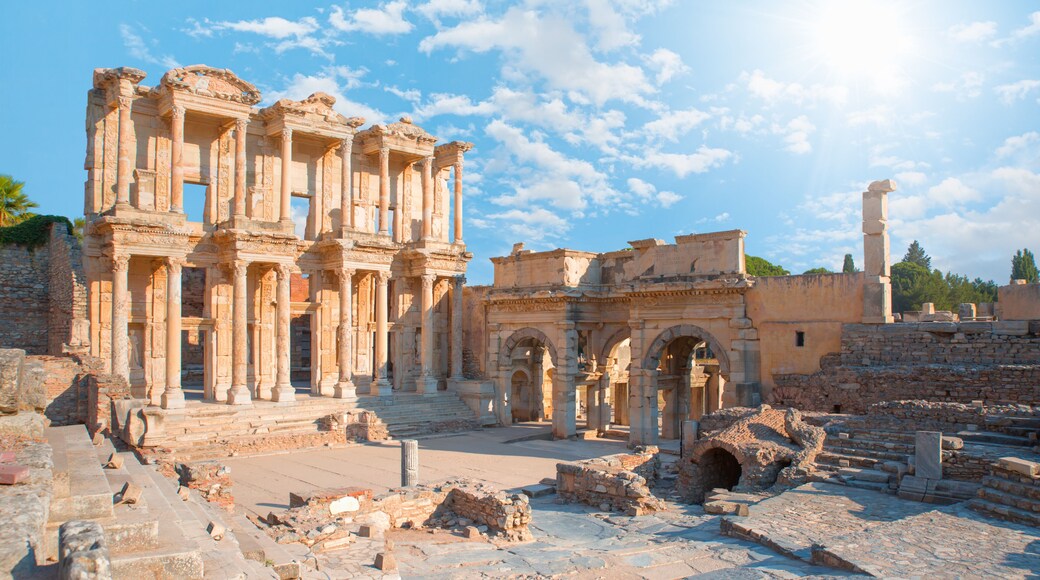
This library is one of the most beautiful structures in Ephesus. It was built in 117 A.D. It was a monumental tomb for Gaius Julius Celsus Polemaeanus, the governor of the province of Asia; from his son Galius Julius Aquila. The grave of Celsus was beneath the ground floor, across the entrance and there was a statue of Athena over it. Because Athena was the goddess of the wisdom.

The scrolls of the manuscripts were kept in cupboards in niches on the walls. There were double walls behind the bookcases to prevent the them from the extremes of temperature and humidity. The capacity of the library was more than 12,000 scrolls. It was the third richest library in ancient times after the Alexandra and Pergamum.

The facade of the library has two-stories, with Corinthian style columns on the ground floor and three entrances to the building. There are three windows openings in the upper story. They used an optical trick that the columns at the sides of the facade are shorter than those at the center, giving the illusion of the building being greater in size.

The statues in the niches of the columns today are the copies of the originals. The statues symbolize wisdom (Sophia), knowledge (Episteme), intelligence (Ennoia) and valor (Arete). These are the virtues of Celsus. The library was restored with the aid of the Austrian Archaeological Institute and  the originals of the statues were taken to Ephesus Museum in Vienna in 1910.

There was an auditorium ,which was for lectures or presentations between the library and the Marble Road, was built during the reign of the Emperor Hadrian.
#History Photo Contest
#ancient
#InStone
#Lifeatexpedia
#UNESCO World Heritage sites
#culture
This library is one of the most beautiful structures in Ephesus. It was built in 117 A.D. It was a monumental tomb for Gaius Julius Celsus Polemaeanus, the governor of the province of Asia; from his son Galius Julius Aquila. The grave of Celsus was beneath the ground floor, across the entrance and there was a statue of Athena over it. Because Athena was the goddess of the wisdom.

The scrolls of the manuscripts were kept in cupboards in niches on the walls. There were double walls behind the bookcases to prevent the them from the extremes of temperature and humidity. The capacity of the library was more than 12,000 scrolls. It was the third richest library in ancient times after the Alexandra and Pergamum.

The facade of the library has two-stories, with Corinthian style columns on the ground floor and three entrances to the building. There are three windows openings in the upper story. They used an optical trick that the columns at the sides of the facade are shorter than those at the center, giving the illusion of the building being greater in size.

The statues in the niches of the columns today are the copies of the originals. The statues symbolize wisdom (Sophia), knowledge (Episteme), intelligence (Ennoia) and valor (Arete). These are the virtues of Celsus. The library was restored with the aid of the Austrian Archaeological Institute and  the originals of the statues were taken to Ephesus Museum in Vienna in 1910.

There was an auditorium ,which was for lectures or presentations between the library and the Marble Road, was built during the reign of the Emperor Hadrian.
#History Photo Contest
#ancient
#InStone
#Lifeatexpedia
#UNESCO World Heritage sites
#culture
This is the most magnificent structure in Ephesus ancient city. The Great Theatre is located on the slope of Panayir Hill, opposite the Harbor Street, and easily seen when entering from the south entrance to Ephesus. It was first constructed in the Hellenistic Period, in the third century BC during the reign of Lysimachos, but then during the Roman Period, it was enlarged and formed its current style that is seen today.

It is the largest in Anatolia and has the capacity of 25,000 seats. The cavea has sixty six rows of seats, divided by two diazoma (walkway between seats) into three horizontal sections. There are three sections of seats. In the lower section, Marble pieces, used for restoration, and the Emperor's Box were found. The seats with backs ,made of marble, were reserved for important people. The audience entered from the upper cavea.

The stage building is three-storied and 18 meters high. The facade facing the audience was ornamented with relieves, columns with niches, windows and statues. There are five doors opening to the orchestra area, the middle one of which is wider than the rest. This enhanced the appearance of the stage, giving it a bigger, monumental look.

The theatre was used not only for concerts and plays, but also for religious, political and philosophical discussions and for gladiator and animal fights.

Best time to visit this magnificient archeological site is between march and may. Summer months are always with temperatures above 45°C.
#History Photo Contest
#Ancient
#InStone
#Turkey
#Lifeatexpedia
This was the capital of the Pergamon kingdom around 250 BC. Anthony took thousands of scrolls from this city and gave them to Cleopatra. It's a great ruin, in the small city of Bergama in Turkey. You cn get a cable car up to the ruins.
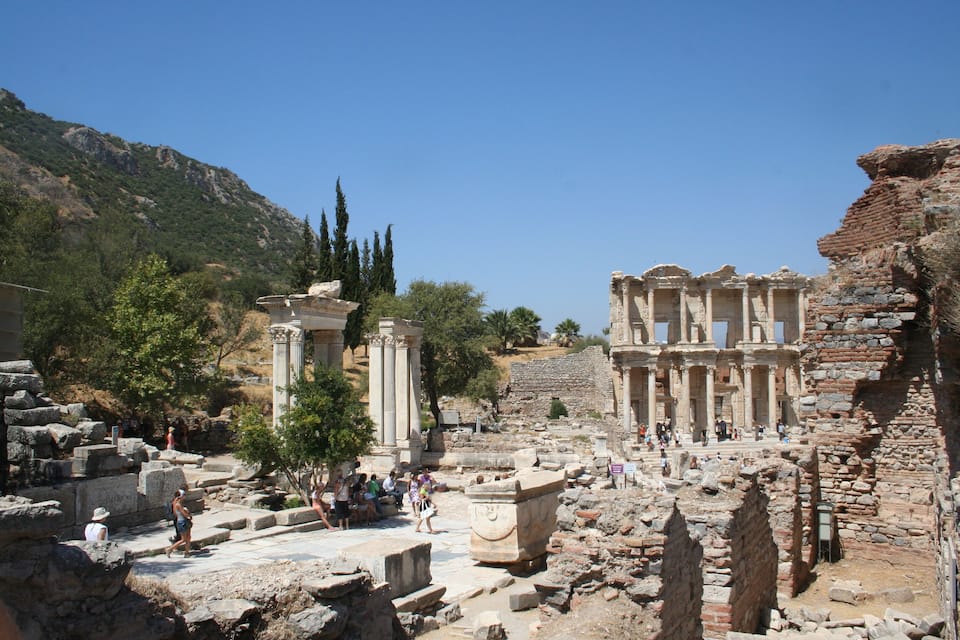
The library in the Ephesus ruins. If you get there early, and go to the other entrance, you can get the whole place to yourself for about 15 or so minutes which is very cool. Otherwise be prepared for thousands of other people swarming the place.

Scoprite interessanti esperienze culturali e tesori storici in una delle più importanti città turche, un gioiello poco conosciuto che si affaccia sulle acque blu del mar Egeo.

Partite per le vostre vacanze a Smirne, città portuale che per migliaia di anni ha svolto un ruolo chiave nei commerci marittimi. Chiamata Izmir in turco e Smirne in greco, la città ha conservato molte sfumature della sua complessa storia. Passeggiate per le sue vie, osservando le insegne e ascoltando il complesso mescolarsi di suoni ebraici, levantini, greci, armeni e turchi, che comunicano alla perfezione in questo ambiente multiculturale, a cui fa da contrappunto una cucina etnica e saporita.

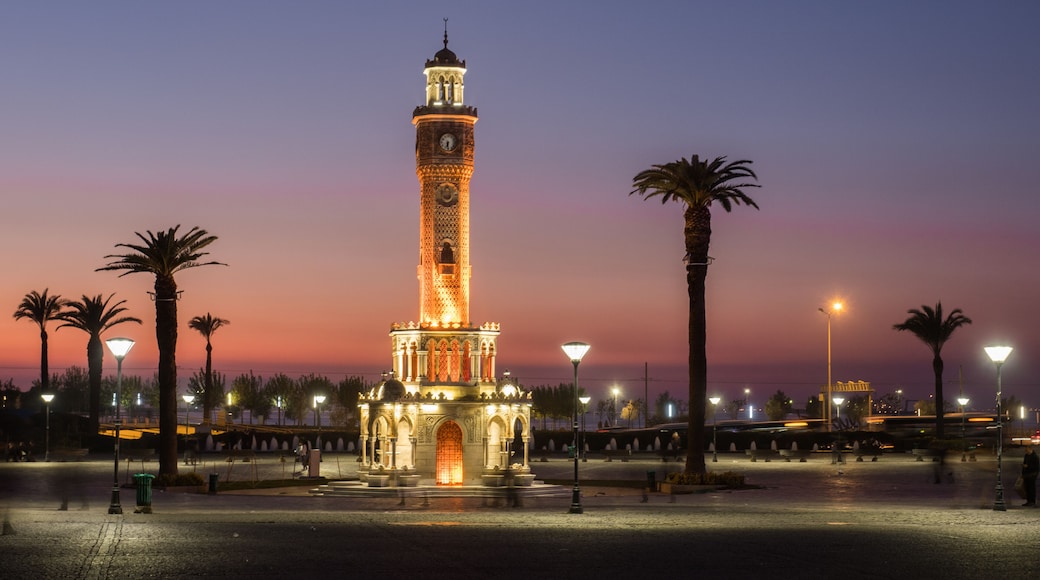
Una delle attrazioni di Smirne è il Mercato Kemeralti, un labirintico complesso del XVII secolo in cui si alternano ristoranti, caffetterie, negozi, laboratori artistici, moschee e sinagoghe. Cogliete l'occasione e fatevi una tappa durante il vostro viaggio a Smirne, fermandovi a degustare le specialità del posto, per poi curiosare per le sue vie intricate e scoprire i tranquilli cortili e le antiche locande carovaniere. La torre dell'orologio Saat Kulesi si trova poco lontano ed è un'altra interessante attrazione.

Kültürpark è invece una zona più moderna e aperta, una vasta area verde con alcuni musei e il Luna Park tanto amato dai bambini. Il Museo di Storia e di Arte contiene reperti provenienti dagli scavi della città, mentre il Museo delle Arti e della Scultura vanta varie opere di artisti turchi e non. Poco lontano, l'Ahmet Piriştina Kent Arşivi ve Müzesi è dedicato alla storia della città a partire dal 3000 a.C. A sud del centro di Smirne si trova Smyrna Agora Antik Kenti, uno spazio all'aperto con alte colonne che sovrastano un sito di scavi archeologici ancora in corso, mentre altri musei sono dedicati alle ferrovie, alle automobili e ai giocattoli.

Fate una passeggiata lungo Kodronboyu, un percorso erboso di 1,6 km lungo il mar Egeo, all'estremità nord del quale si trova Alsancak, una vivace località nota per i ristoranti e i locali notturni.

A circa 30 minuti di auto verso nord-ovest visitate il Parco Naturale di Smirne, un grande zoo con elefanti, lemuri e lorichetti. Spostandovi a sud-ovest del centro città giungerete invece alla Teleferica di Smirne. Lungo il suo tragitto passerete sopra una fitta foresta, sopra gli edifici in pietra della città e sopra al mare Egeo. Fate una camminata per il parco e curiosate tra le bancarelle che si affollano intorno alla fermata.

Scegliete uno dei pacchetti vacanze per Smirne con voli per Istanbul e coincidenza per l'Aeroporto Adnan Menderes, a circa 25 minuti di auto a sud del centro. Una volta da quelle parti, fate una visita anche a Efeso, insediamento greco e romano situato a circa 45 minuti di auto a sud dell'aeroporto.
Provincia di Smirne: le città più gettonate

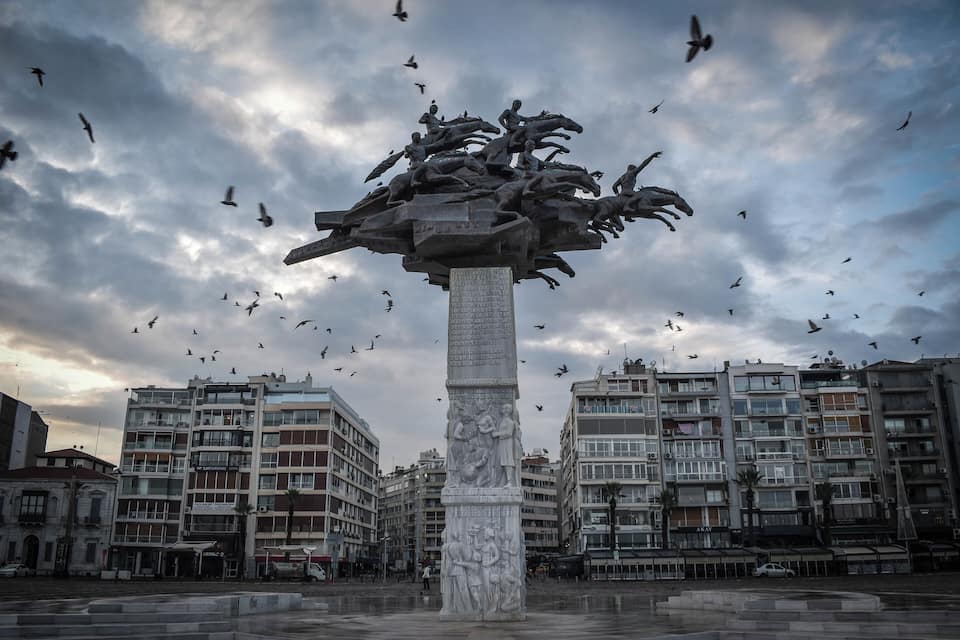
Smirne
Smirne
Mare, Shopping e Caffetterie
Le caffetterie, i monumenti, il teatro e non solo: parti alla scoperta di Smirne, una destinazione dai mille volti.

Perché partire?

  • Piazza di Konak
  • Mercato di Kemeralti
  • Konak Pier Shopping Mall
Selçuk
Selçuk
Interesse storico, Cittadina e Musei
Il ricco patrimonio storico, le caffetterie e gli importanti monumenti: è tempo di preparare le valigie per Selçuk, destinazione pittoresca e tutta da scoprire.

Perché partire?

  • Rovine di Efeso
  • Casa della Vergine Maria
  • Tempio di Artemide
Foça
Foça
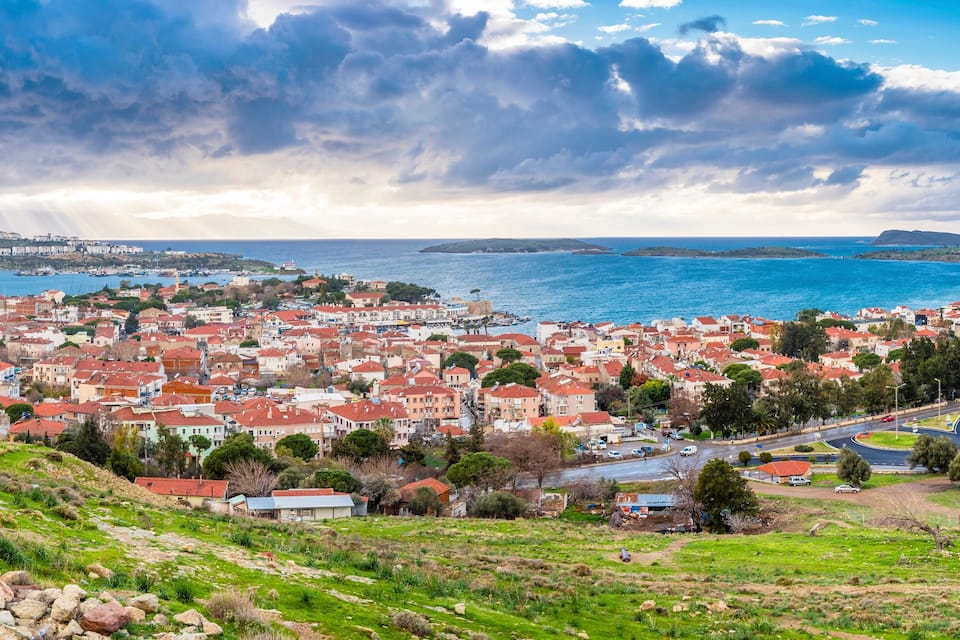
Porticcioli, Tour e Interesse storico
Foça ti aspetta: tra il grazioso porticciolo, gli edifici storici e le spiagge, le cose da fare e da vedere non mancheranno di certo!

Perché partire?

  • Porto di Eski Foca
Çeşme
Çeşme
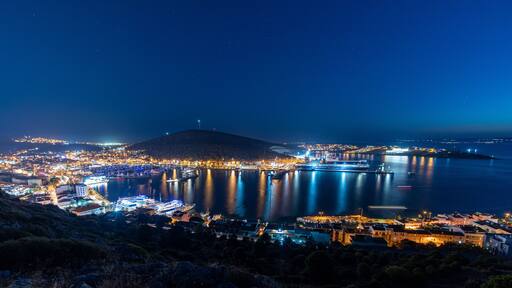
Spiagge, Mare e Porticcioli
Çeşme è un centro turistico piccolo ma vivace con un “castello genovese”, uno stupendo lungomare ottimo per passeggiate e pieno zeppo di posti convenienti dove mangiare, e bellissime spiagge.
Urla
Urla
Quest’area è famosa per: Università e Interesse storico
Urla ti aspetta: tra l'atmosfera universitaria e gli edifici storici, le cose da fare e da vedere non mancheranno di certo!
Seferihisar
Seferihisar
Ristoranti, Attività ricreative e Porticcioli
Parti alla scoperta di Seferihisar: il grazioso porticciolo, la variegata offerta di divertimenti e le spiagge sono solo una parte di quello che ti aspetta!

Scopri un mondo di viaggi con Expedia