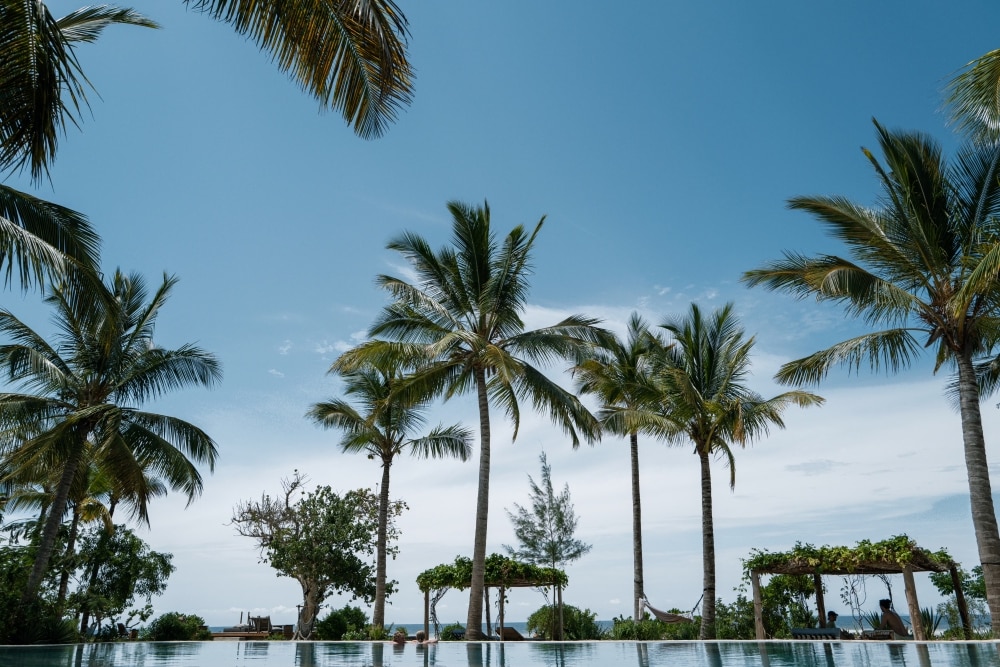
Cose da fare a Java centrale

Attività, attrazioni e tour

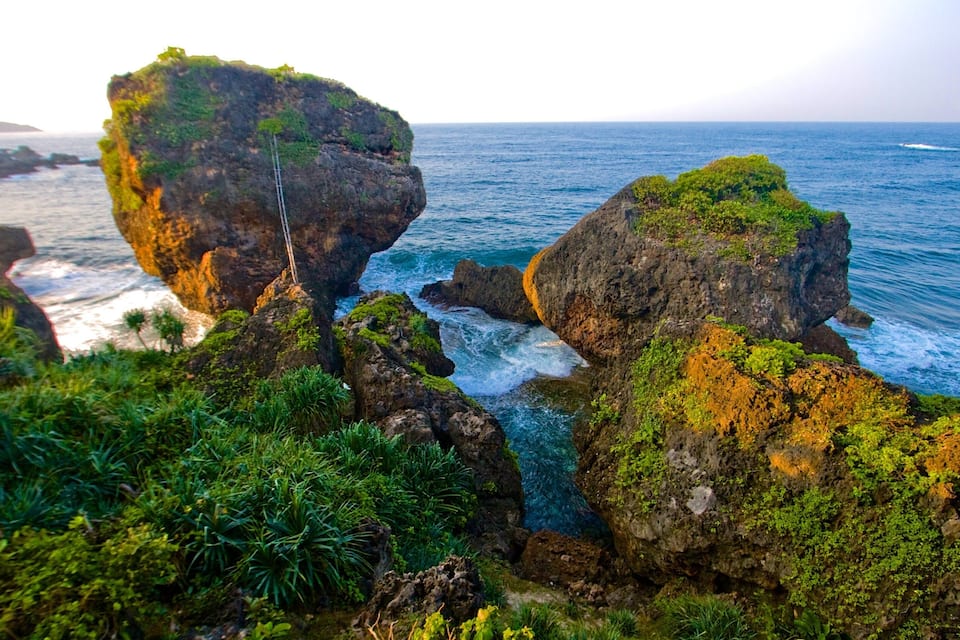
Java centrale mostrando spiaggia sabbiosa, paesaggio tropicale e giro in barca
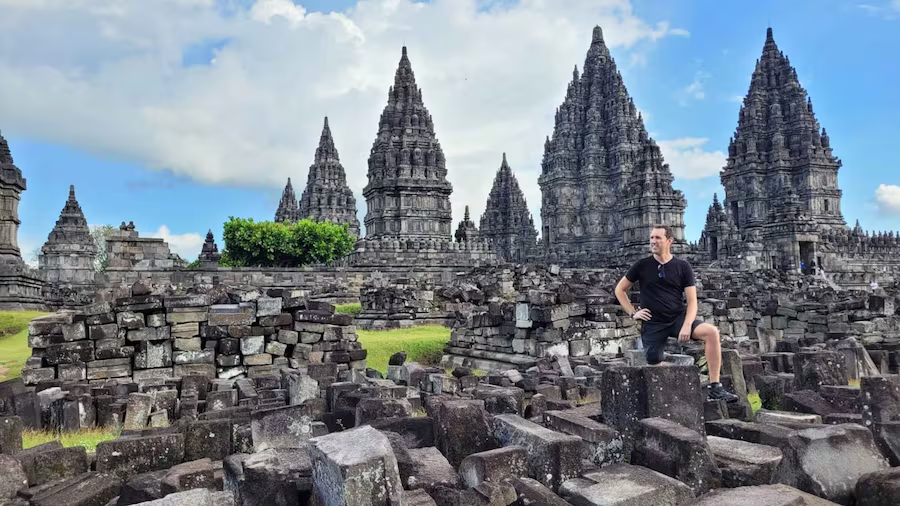
Tempio di Prambanan mostrando architettura d\'epoca e rovine
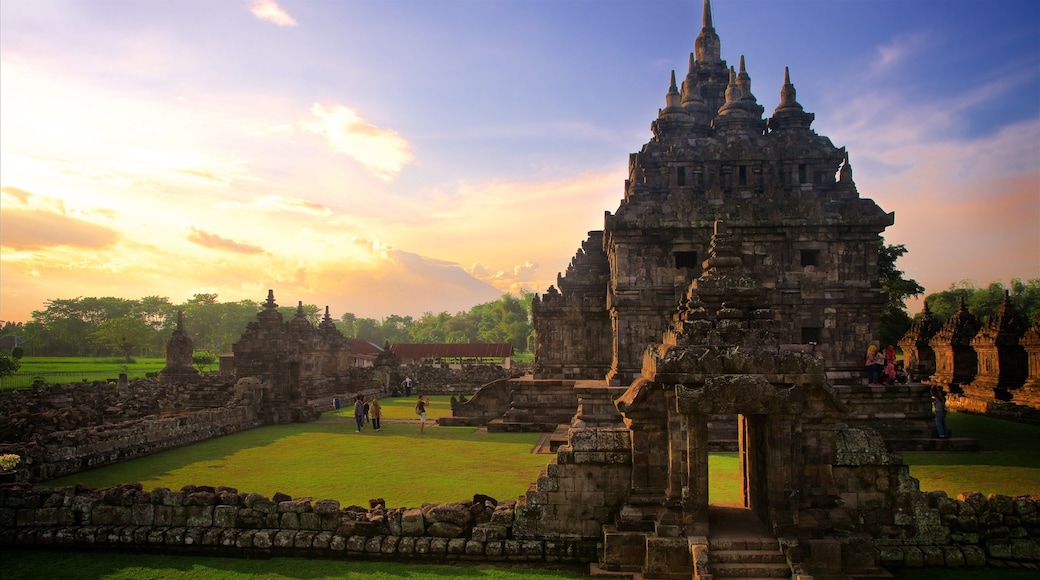
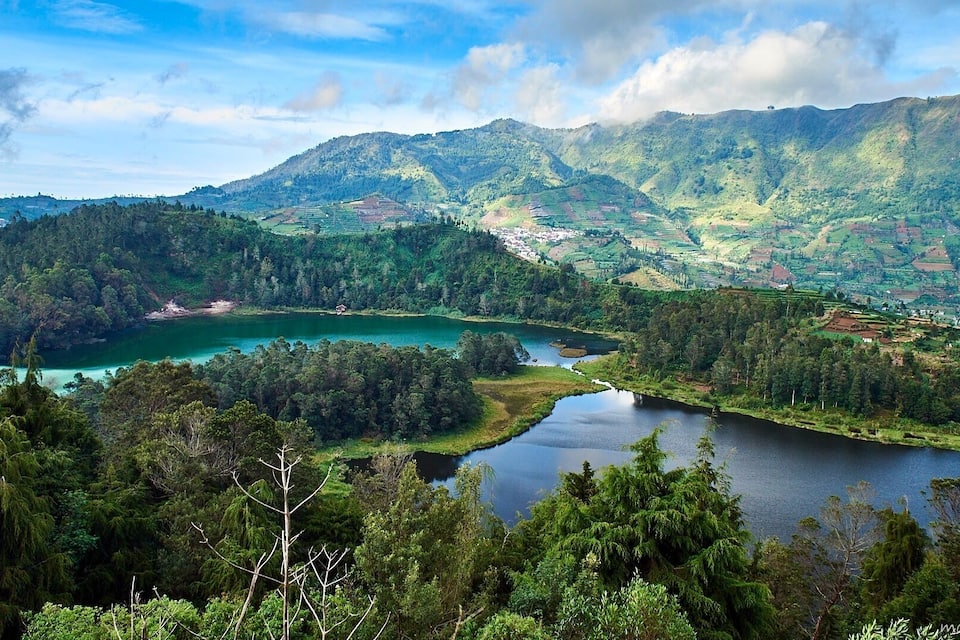
Java centrale mostrando vista del paesaggio e spiaggia sabbiosa
Java centrale caratteristiche di vista della costa cosi come ragazza

  • find price illustration

    Scopri le attività

    Scopri migliaia di esperienze, da attività e attrazioni a tour giornalieri e trasferimenti.
  • calendar shield illustration

    Prenota con facilità

    Salta la fila: prenota online in pochi minuti i biglietti per le principali attrazioni con cancellazione gratuita per molte attività.
  • trophy illustration

    Concediti un viaggio speciale

    Gli iscritti risparmiano un % o più sulle prenotazioni di attività.


I luoghi da visitare assolutamente a Java centrale

Aree di Java centrale

At the museum no photos are allowed which is really unfortunate as it was well worth the visit and the guided tour is definitely not to be missed. In the museum there are even Batik made from the Dutch era which depicts stories like Little Red Riding Hood and Snow White!

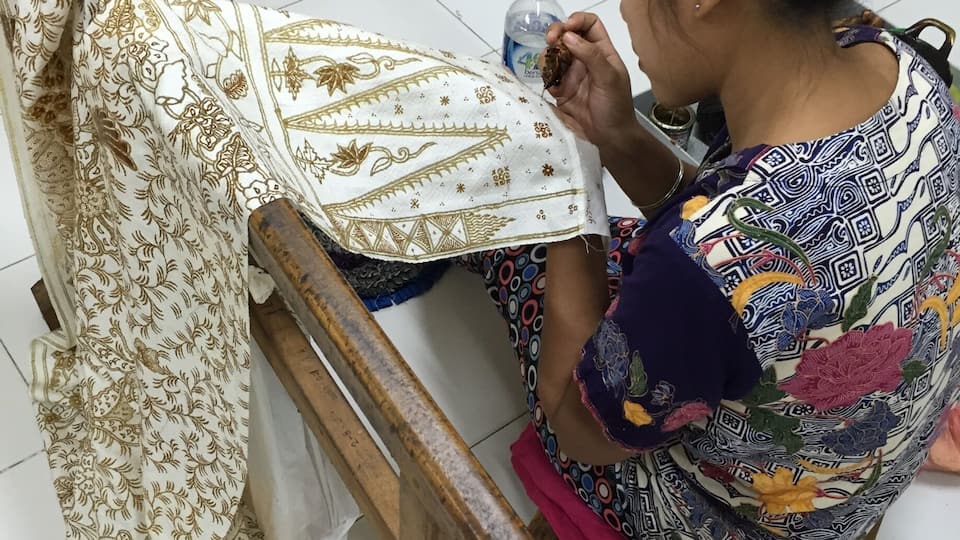
I enjoyed the tour v much and at the end of the tour we were brought to this room where the artisan were working on hand drawn batik.

Below is an excerpt from Wikipedia for anyone interested in learning more about the process of batik making.

Firstly, a cloth is washed, soaked and beaten with a large mallet. Patterns are drawn with pencil and later redrawn using hot wax, usually made from a mixture of paraffin or bees wax, sometimes mixed with plant resins, which functions as a dye-resist. The wax can be applied with a variety of tools. A pen-like instrument called a canting (IPA: [tʃantiŋ], sometimes spelled with old Dutch orthography tjanting) is the most common. A canting is made from a small copper reservoir with a spout on a wooden handle. The reservoir holds the resist which flows through the spout, creating dots and lines as it moves. For larger patterns, a stiff brush may be used. Alternatively, a copper block stamp called a cap (IPA: [tʃap]; old spelling tjap) is used to cover large areas more efficiently.

After the cloth is dry, the resist is removed by scraping or boiling the cloth. The areas treated with resist keep their original color; when the resist is removed the contrast between the dyed and undyed areas forms the pattern. This process is repeated as many times as the number of colors desired.

The most traditional type of batik, called batik tulis

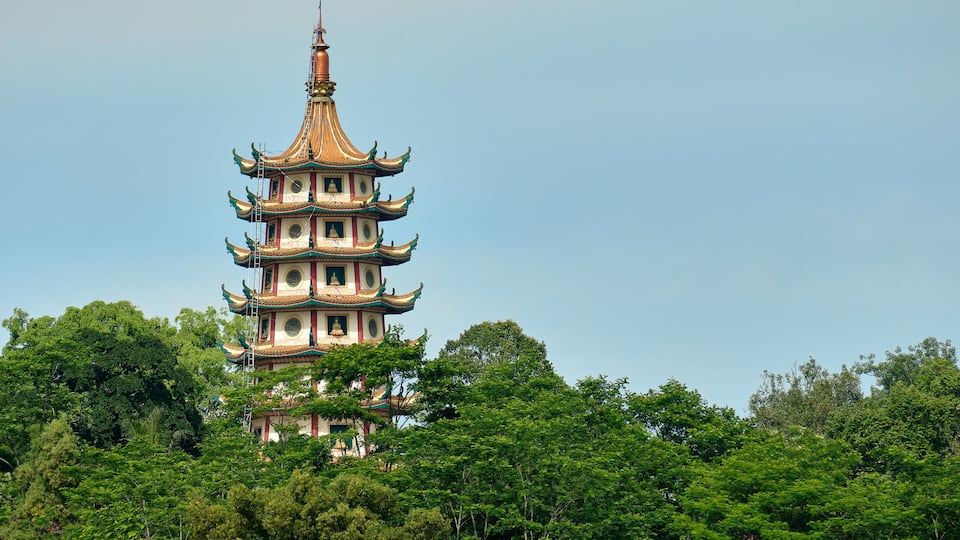
Centro città di Solo

Scopri i musei e lo zoo del quartiere di Centro città di Solo, non te ne pentirai! Centro commerciale Solo Paragon Lifestyle Mall e Parco di Keprabon sono due luoghi d'interesse che dovresti includere nel tuo itinerario.
Centro città di Solo
Default Image

West Semarang

Anche se West Semarang non ospita attrazioni famose, nelle vicinanze puoi esplorare Lawang Sewu e DP Mall Semarang, per una vacanza memorabile.

West Semarang
At the museum no photos are allowed which is really unfortunate as it was well worth the visit and the guided tour is definitely not to be missed. In the museum there are even Batik made from the Dutch era which depicts stories like Little Red Riding Hood and Snow White!

I enjoyed the tour v much and at the end of the tour we were brought to this room where the artisan were working on hand drawn batik.

Below is an excerpt from Wikipedia for anyone interested in learning more about the process of batik making.

Firstly, a cloth is washed, soaked and beaten with a large mallet. Patterns are drawn with pencil and later redrawn using hot wax, usually made from a mixture of paraffin or bees wax, sometimes mixed with plant resins, which functions as a dye-resist. The wax can be applied with a variety of tools. A pen-like instrument called a canting (IPA: [tʃantiŋ], sometimes spelled with old Dutch orthography tjanting) is the most common. A canting is made from a small copper reservoir with a spout on a wooden handle. The reservoir holds the resist which flows through the spout, creating dots and lines as it moves. For larger patterns, a stiff brush may be used. Alternatively, a copper block stamp called a cap (IPA: [tʃap]; old spelling tjap) is used to cover large areas more efficiently.

After the cloth is dry, the resist is removed by scraping or boiling the cloth. The areas treated with resist keep their original color; when the resist is removed the contrast between the dyed and undyed areas forms the pattern. This process is repeated as many times as the number of colors desired.

The most traditional type of batik, called batik tulis

Banjarsari

Se ti trovi in zona Banjarsari, ricorda che Centro commerciale Solo Paragon Lifestyle Mall e Parco Comunale Balekambang City Park sono due attrazioni da non perdere.

Banjarsari
Default Image

Candisari

Se non sai bene cosa visitare in zona Candisari e dintorni, ecco alcuni suggerimenti per te: Simpang Lima Park e Ciputra Mall Semarang sono attrazioni da non perdere!

Candisari
Default Image

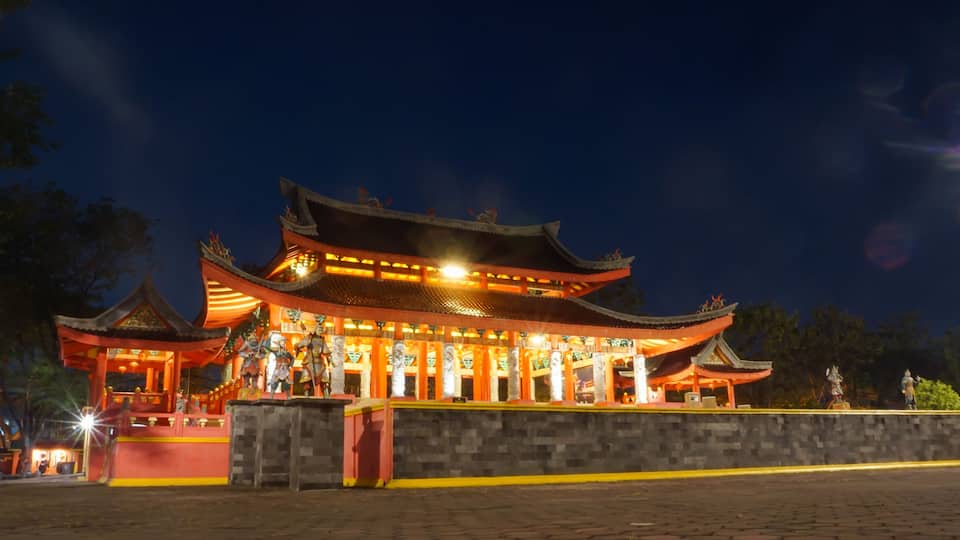
Città Vecchia di Semarang

Città Vecchia di Semarang è celebre per lo shopping e non solo! Altre due tappe fondamentali sono anche Kota Lama Semarang e Galleria d'Arte Contemporanea di Semarang.
Città Vecchia di Semarang
Default Image

Banyumanik

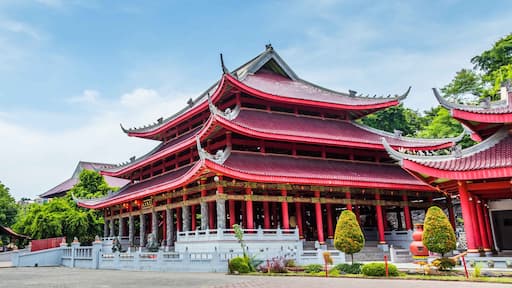
Se ti trovi in zona Banyumanik, ricorda che Centro Commerciale Transmart Setiabudi Semarang e Pagoda Avalokitesvara sono due attrazioni da non perdere.

Banyumanik

Città vicino Java centrale